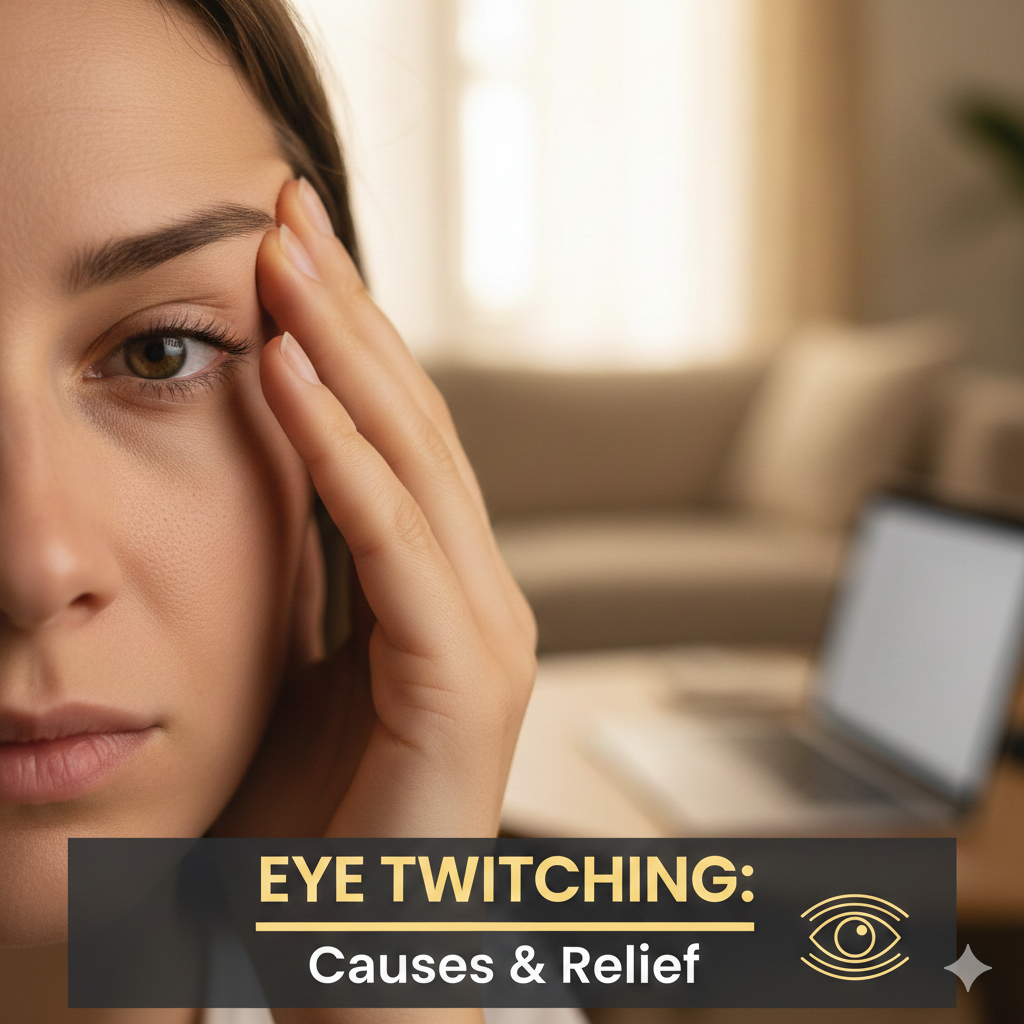
Introduction to Eye Twitching
Your eye is typically twitching as a harmless response to common triggers like stress, fatigue, eye strain, or a bit too much caffeine.Have you ever found yourself in a meeting or enjoying a quiet evening, only to be interrupted by an unexpected twitching sensation in your eye? That little annoyance can leave you scratching your head and wondering, “why is my eye twitching?” It’s more common than you might think, and while it may seem trivial, understanding the root causes can help ease your mind. In this article, we’ll explore what triggers these pesky spasms and how you can tackle them effectively. Whether it’s stress-related or something else entirely, let’s dive into the world of eye twitching together.
Causes of Eye Twitching
Eye twitching can stem from various factors, each contributing to that pesky flicker. One primary cause is stress and fatigue. When life gets overwhelming, our bodies react in unexpected ways, including those involuntary eye spasms.
Caffeine and alcohol consumption also play a significant role. Both substances can stimulate the nervous system, leading to twitches when consumed excessively or in sensitive individuals.
Dry eyes are another common culprit. Prolonged screen time or environmental irritants can leave your eyes feeling parched, triggering spasms as a sign of discomfort.
Nutritional deficiencies might surprise you too. Lack of essential vitamins like magnesium or potassium can disrupt muscle function and lead to twitching episodes. Understanding these causes helps manage symptoms effectively while fostering better overall health.
– Stress and Fatigue
Stress and fatigue are common culprits behind eye twitching. When life gets overwhelming, your body reacts in various ways, and muscle spasms can be one of them.
When you’re stressed, your body releases adrenaline. This hormone prepares you to fight or flee but can also lead to involuntary twitching in your eyes. It’s like a signal that something is off balance.
Fatigue compounds the issue. Lack of sleep leaves muscles weakened and more susceptible to cramping or spasming. If you’ve been burning the candle at both ends, those tiny twitches may just be a way for your eyes to cry out for rest.
Taking time out for relaxation is essential. Even short breaks can help ease stress levels and restore some calmness. A little self-care goes a long way toward calming those anxious nerves—and hopefully quieting that pesky eye twitch as well.
– Caffeine and Alcohol Consumption
Caffeine and alcohol are common culprits behind eye twitching. Both substances can overstimulate your nervous system, leading to spasms in the muscles around your eyes.
When consumed in excess, caffeine may heighten anxiety levels and increase stress. This tension can manifest physically as a twitch. If you find yourself reaching for that extra cup of coffee or energy drink, consider how it might be affecting your body.
Alcohol has its own set of effects. While it may initially seem relaxing, it disrupts sleep patterns and dehydrates the body. The resulting fatigue can contribute to muscle spasms.
Being mindful of how much you consume is key. Reducing intake may help ease those pesky twitches and restore some calm to your day-to-day life.
– Dry Eyes
Dry eyes can be a surprising culprit behind eye twitching. When your eyes lack sufficient moisture, the irritation can trigger involuntary muscle spasms.
This condition often occurs due to prolonged screen time or environmental factors like wind and dry air. If you’ve been staring at your computer for hours, you might not blink as often as needed. This leads to dryness and discomfort.
Using artificial tears may help alleviate some of that dryness. They provide essential lubrication and relief from the irritation causing those pesky twitches.
Additionally, consider creating a more humid environment by using a humidifier in your space. Simple adjustments like these can make a noticeable difference in how comfortable your eyes feel throughout the day.
– Nutritional Deficiencies
Nutritional deficiencies can play a significant role in eye twitching. When the body lacks essential nutrients, it can lead to various muscle spasms, including those around the eyes.
Magnesium is one key nutrient often linked to muscle function. A deficiency may contribute to involuntary twitches, as magnesium helps regulate nerve and muscle activity.
Similarly, a lack of potassium or calcium might also trigger these annoying episodes. These minerals are vital for maintaining proper muscle contraction and relaxation.
Vitamins such as B12 and D are crucial too. They support overall neurological health and energy levels, which can influence how our muscles behave.
If you suspect your diet might be lacking in these areas, consider adjusting your meals accordingly. Incorporating foods rich in these nutrients could make a difference in reducing those pesky eye twitches.
When to Seek Medical Attention
If your eye twitching persists for more than a week, it might be time to consult a healthcare professional. Prolonged twitching can indicate underlying issues that need attention.
Watch for any accompanying symptoms. If you experience changes in vision or unusual swelling around the eye, don’t hesitate to seek help. These could be signs of more serious conditions.
Consider the intensity and frequency of the twitches as well. If they disrupt daily activities or become painful, it’s important to get checked out.
In rare cases, persistent twitching may signal neurological disorders. Early diagnosis can make a significant difference in treatment outcomes.
Don’t ignore your instincts—if something feels off about your eye health, reach out for guidance from an expert who can provide clarity and solutions tailored specifically for you.
Home Remedies for Eye Twitching
Eye twitching can be disruptive, but there are several home remedies that might help alleviate the annoyance.
Rest is crucial. Take breaks from screens and engage in activities that promote relaxation. A few minutes of mindfulness or deep breathing can work wonders for your eye muscles.
Hydration plays a key role too. Ensure you drink plenty of water throughout the day to keep your body, including your eyes, well-hydrated.
Nutrition matters as well. Incorporate foods rich in magnesium and potassium into your diet. Bananas, spinach, and nuts are excellent choices that may support muscle function.
Warm compresses can soothe tired eyes. Simply soak a clean cloth in warm water and place it over closed eyelids for a calming effect.
Try gentle eye exercises to relieve tension. Rolling your eyes or focusing on distant objects could provide relief from persistent twitches.
– Rest and Relaxation Techniques
When eye twitching strikes, finding ways to relax can make a world of difference. Deep breathing exercises are a fantastic starting point. Inhale slowly through your nose, hold for a moment, and then exhale gently. This simple practice helps reduce tension.
Progressive muscle relaxation is another effective method. Focus on tensing and then relaxing each muscle group in your body. Start from your toes and work up to your head, releasing stress along the way.
Meditation or mindfulness techniques can also be beneficial. Spend just a few minutes focusing on the present moment. Allow thoughts to drift by without judgment; this can ease anxiety that may contribute to those pesky twitches.
Creating a calming environment is equally important. Dim the lights, play soft music, or use aromatherapy with essential oils like lavender to promote tranquility throughout your space.
Hydration and Nutrition
Staying hydrated is essential for overall health, and it plays a crucial role in eye function. Dehydration can lead to dry eyes, which may trigger twitching. Aim for at least eight glasses of water daily to keep your body—and your eyes—well-hydrated.
Nutrition also impacts eye health significantly. A balanced diet rich in vitamins and minerals helps maintain proper muscle function around the eyes. Incorporate foods high in magnesium, such as nuts and leafy greens, as deficiencies can contribute to twitching.
Omega-3 fatty acids found in fish like salmon are fantastic for reducing inflammation and promoting healthy tear production. Don’t forget about vitamin B12; its deficiency has been linked with nerve issues that might cause spasms.
By focusing on hydration and nutritional intake, you not only support your eyesight but also help prevent those annoying twitches from recurring. Consider making small changes today for lasting benefits tomorrow.
Medical Treatments for Persistent Eye Twitching
If eye twitching becomes a persistent issue, it might be time to consider medical treatments. Doctors often recommend therapies that target underlying causes.
Botox injections are one option frequently used for severe cases. This treatment can effectively relax the muscles around the eyes and reduce twitching episodes.
In some instances, oral medications may also be prescribed. These aim to alleviate muscle spasms and provide relief from discomfort.
For those with dry eyes contributing to their symptoms, prescription eye drops can help restore moisture and ease irritation. Keeping your eyes hydrated is essential for overall comfort.
Consultation with an ophthalmologist or neurologist could uncover other potential issues that need addressing. They can offer tailored advice based on individual circumstances and severity of symptoms.
Prevention Tips for Future Episodes
To prevent future episodes of eye twitching, establishing a consistent sleep routine is key. Aim for seven to eight hours of quality sleep each night. This helps reduce fatigue and stress on your eyes.
Managing stress is equally important. Incorporate relaxation techniques such as yoga or meditation into your daily life. Even short breaks during the day can help clear your mind and ease tension.
Stay hydrated by drinking plenty of water throughout the day. Dehydration can contribute to muscle spasms, including those pesky twitches in your eyelids.
Monitor your caffeine intake as well. If you notice frequent twitching, consider reducing coffee or energy drinks to see if it makes a difference.
Take regular breaks from screens. The 20-20-20 rule—looking at something 20 feet away for at least 20 seconds every 20 minutes—can help alleviate strain on your eyes and keep them healthy.
Conclusion
Eye twitching can be an annoying and perplexing experience. Understanding the reasons behind it is essential for managing your symptoms effectively.Dont be panic for getting answer for “why is my eye twitching? “
Stress and fatigue are common culprits that can take a toll on our bodies, often manifesting as involuntary muscle contractions around the eyes. If you find yourself feeling overwhelmed or tired, taking time to relax could help alleviate this irritation.
Caffeine and alcohol consumption might also contribute to eye twitching. These substances can overstimulate your nervous system, leading to those pesky twitches. Moderating your intake may lead to improved comfort.
Dry eyes are another factor worth considering. Many people spend hours staring at screens, which can cause discomfort in the form of eye strain and subsequent twitching episodes. Incorporating regular breaks into your screen time might make a difference.
Nutritional deficiencies, particularly lacking magnesium or potassium, have been linked with muscle spasms as well. Ensuring you have a balanced diet rich in essential nutrients is key for overall wellness.
If you notice persistent eye twitching despite trying home remedies such as rest and relaxation techniques or improving hydration and nutrition levels, seeking medical attention becomes necessary. Sometimes underlying issues require professional evaluation.
For those who want to prevent future episodes of eye twitching, focusing on stress management strategies like mindfulness or breathing exercises will go a long way in keeping your body relaxed.
Understanding why your eye might be twitching opens up avenues for relief through lifestyle adjustments and proper care methods tailored just for you.