
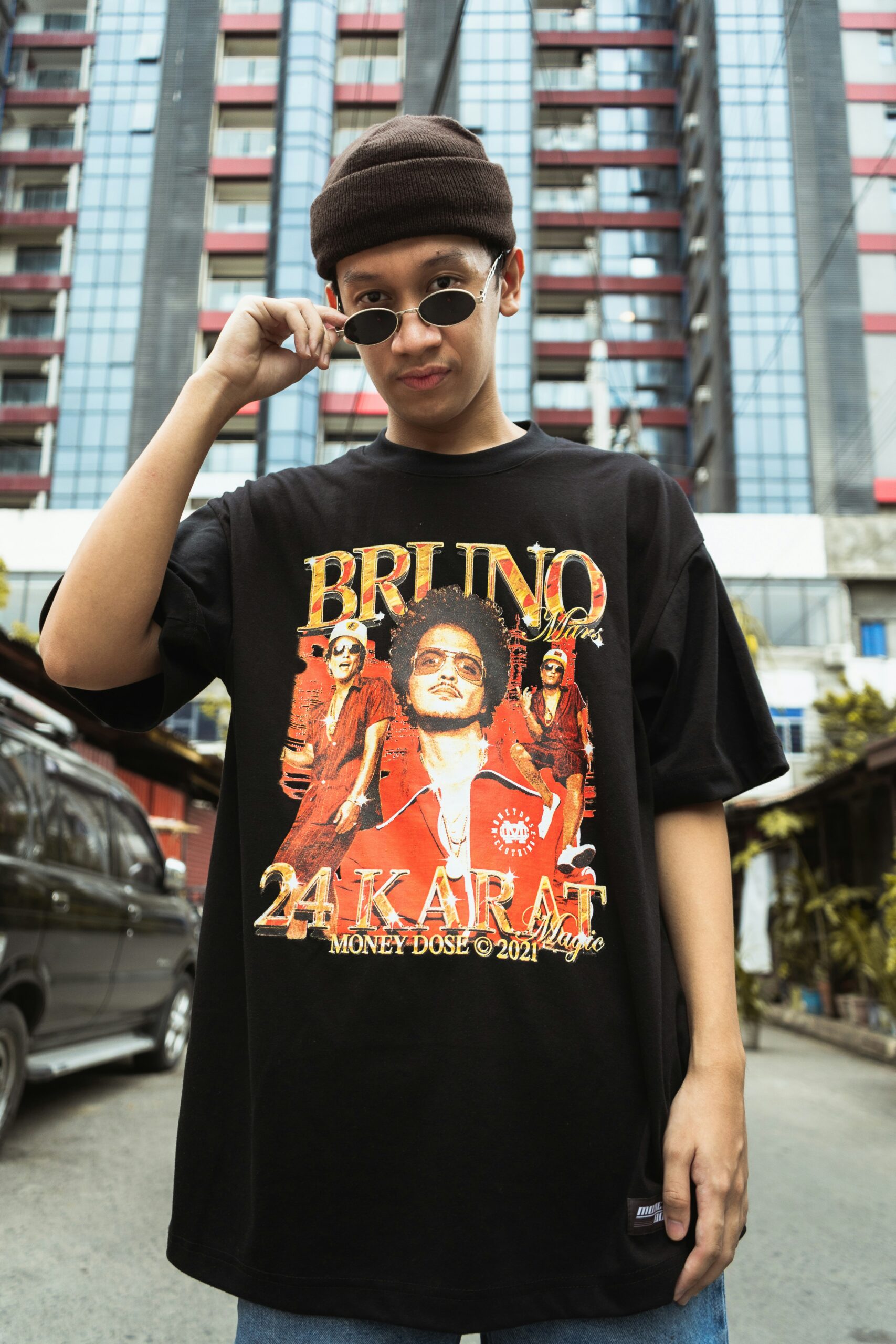
Introduction to Bruno Mars
Bruno Mars is a name that resonates with music lovers around the globe. The multi-talented singer, songwriter, and producer has captivated audiences with his infectious rhythms and powerful vocals. But there’s more to Bruno than just his chart-topping hits. His ethnic mix plays a crucial role in shaping not only who he is but also the unique sound that defines his artistry. As we dive deeper into Bruno Mars’ background, explore how his diverse heritage influences his music, and examine the conversations surrounding identity in today’s cultural landscape, you’ll uncover layers of complexity behind this superstar’s appeal. Let’s embark on this journey to understand what makes Bruno Mars such a distinctive figure in the music industry!
His Family Background and Ethnicity
Bruno Mars was born Peter Gene Hernandez on October 8, 1985, in Honolulu, Hawaii. His family background is rich and diverse. He embodies a unique blend of ethnicities that shapes his identity.
His father is of Puerto Rican descent, while his mother has both Filipino and Spanish roots. This vibrant mix contributes to the cultural tapestry he represents in his music career.
Growing up in a musical household influenced Bruno from an early age. His parents were both musicians who introduced him to various genres. This exposure helped him develop a distinctive sound that resonates with many.
Mars often speaks about how proud he is of his heritage. It’s evident through his commitment to celebrating cultural diversity in all aspects of life and art. Each performance reflects this pride, making him relatable to fans worldwide.
The Influence of His Multi-Ethnic Heritage on His Music
Bruno Mars’ multi-ethnic heritage plays a pivotal role in shaping his sound. Growing up with influences from various cultures, his music reflects diverse rhythms and styles.
His Filipino roots bring a soulful depth that resonates through ballads like “Just the Way You Are.” The island vibes of Hawaii introduce elements of reggae and pop, creating infectious melodies that captivate listeners worldwide.
Additionally, Bruno’s Puerto Rican ancestry adds flavor to his beats. This blend results in tracks that evoke both nostalgia and celebration. Songs such as “Despacito” collaborations showcase this rich musical tapestry.
When you listen closely, you can hear jazz-infused harmonies alongside contemporary R&B grooves. Each note tells a story filled with cultural richness. His ability to transcend genres speaks volumes about the power of embracing one’s diverse background within the industry.
Controversies Surrounding Bruno Mars’ Ethnicity
Bruno Mars has faced scrutiny regarding his ethnic identity since he first emerged on the music scene. Critics have pointed out that while his sound draws from various genres, including R&B and pop, some question whether he truly embraces his heritage.
His mixed ethnicity—Hawaiian, Puerto Rican, Filipino—has sparked discussions about cultural appropriation. Some argue that Mars benefits from a commercialized version of Black culture without fully acknowledging its roots.
This controversy often intensifies during award seasons when debates erupt over representation in categories dominated by artists who identify more strongly with their racial backgrounds.
Despite the backlash, many fans appreciate Bruno’s ability to blend influences seamlessly. His music resonates across diverse audiences even as the conversation around cultural identity continues to evolve. The ongoing dialogue highlights both challenges and opportunities within an increasingly multicultural industry.
Embracing Cultural Diversity in the Music Industry
The music industry thrives on cultural diversity. Artists from various backgrounds bring unique sounds and perspectives to the table. This melting pot of influences enriches the listening experience for everyone.
Bruno Mars is a prime example of how multi-ethnic heritage can shape artistry. His blend of Hawaiian, Puerto Rican, and Filipino roots infuses his work with authenticity. It resonates deeply with fans around the world.
Diverse musical styles often lead to innovative collaborations, pushing boundaries further than ever before. The fusion of genres attracts wider audiences and fosters understanding among different cultures.
As listeners increasingly seek representation in art, artists embracing their ethnic identities contribute significantly to this ongoing dialogue. Celebrating diverse backgrounds not only enhances creativity but also promotes acceptance within society at large. The impact of these choices ripples through generations, shaping future musicians’ journeys in profound ways.
The Impact of Bruno Mars’ Ethnic Mix on His Fans
Bruno Mars’ ethnic mix resonates deeply with a diverse audience. His Filipino, Puerto Rican, and other ancestral roots create a rich tapestry that reflects in his music.
Fans from various backgrounds see themselves represented in his work. This connection fosters a sense of belonging among listeners who appreciate the blend of cultures he embodies.
His songs often celebrate love and unity, themes that transcend cultural barriers. Many fans share stories about how Bruno’s music has brought together friends and family across different heritages.
Moreover, his vibrant performances echo multicultural influences. Dancing to his beats feels like an invitation to embrace diversity joyfully.
For many, Bruno isn’t just an artist; he’s a symbol of inclusivity in the entertainment industry. The way he navigates multiple identities makes him relatable to millions around the globe.
Conclusion
Bruno Mars stands out not just for his captivating music but also for the rich tapestry of cultures that define him. His diverse ethnic mix has woven a unique narrative that resonates with fans across the globe. By embracing elements from various backgrounds, Bruno has created a sound that’s both fresh and familiar.
As he continues to evolve as an artist, his heritage plays a crucial role in shaping his artistic identity. The way he navigates cultural influences showcases the beauty of diversity in today’s music industry. Fans admire how he honors his roots while pushing creative boundaries.
The conversations around Bruno’s ethnicity also highlight broader themes about representation and authenticity in art. As audiences become more aware of these issues, artists like Bruno are paving the way for deeper discussions on culture and identity.
Bruno Mars’ ethnic mix enriches not only his own artistry but also enhances our collective appreciation for multiculturalism in music. His journey reflects the power of blending different influences into something truly special—something we can all celebrate together.
You should also read

